
The Nebraska Board of Regents and Nebraska Medicine signed off on a memorandum of understanding Friday that resets the framework for UNMC's Project Health, a massive medical campus already rising in Omaha. The emergency meeting produced an agreement meant to settle lingering questions about who oversees what as construction continues and fundraising needs grow.
What the agreement actually changes
Rather than altering the physical design of the project, the newly approved memorandum addresses governance: it clarifies the respective responsibilities of UNMC, Nebraska Medicine and the Board of Regents as co-partners in a project of this scale. Large academic medical projects typically involve a university system handling education and research missions alongside a separate clinical operator running patient care, and aligning those roles contractually becomes essential once budgets and timelines shift. The agreement also addresses the project's need for additional fundraising, suggesting the original financing plan requires supplementing as costs have grown.
Scope and location of the build
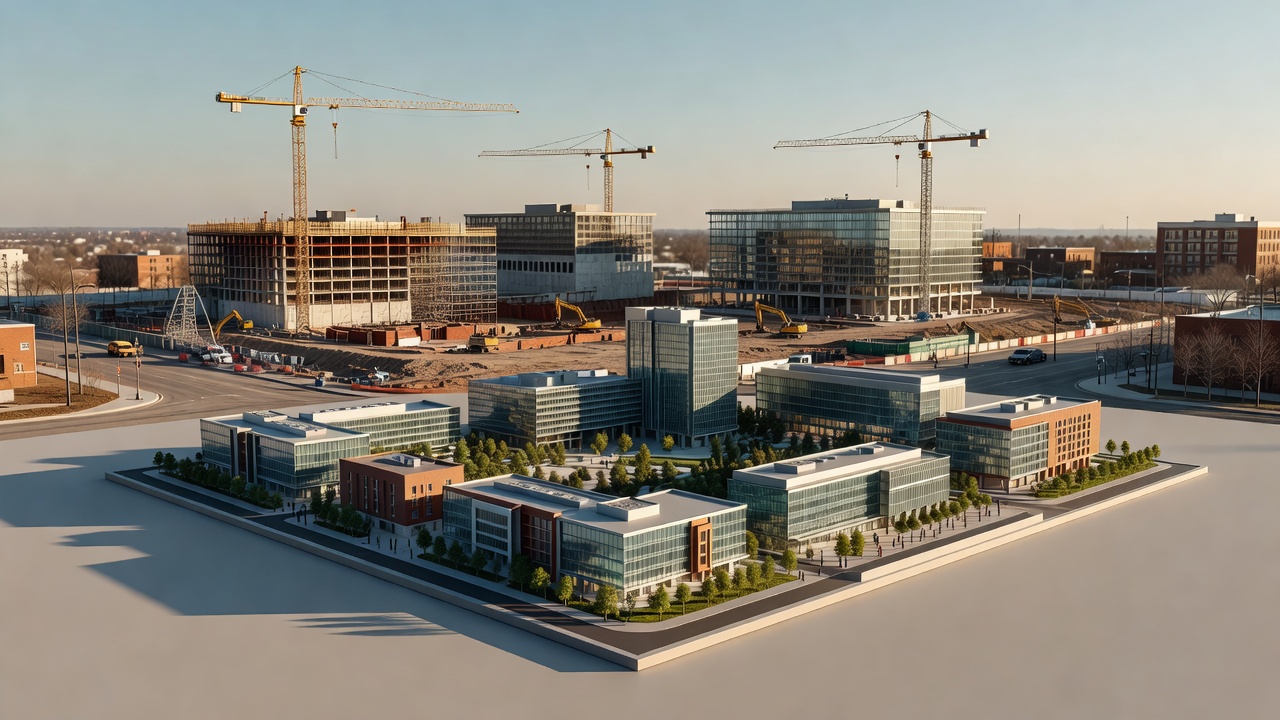
Project Health centers on a new health care facility paired with a clinical learning center, with an estimated cost of $2.75 billion, according to an October report from UNMC. Regents have approved expanded plans calling for roughly 1.5 million square feet of space. The site sits near Saddle Creek Road and Farnam Street in Omaha, on land formerly occupied by the Munroe-Meyer Institute. Construction is already underway at that location, meaning Friday's agreement arrives as a mid-project adjustment rather than a greenlight for a project still on the drawing board.
Why the timing and structure matter
Calling an emergency meeting to finalize partner roles indicates the parties saw the clarification as time-sensitive, likely tied to active construction schedules and fundraising deadlines rather than routine administrative housekeeping. Projects of this magnitude commonly require periodic realignment between the academic institution funding research and teaching space and the health system responsible for operating clinical facilities once they open. The source material does not specify dollar figures tied to the new fundraising push or a revised completion date, so those details remain open questions as the project moves forward.